Panettone Panettone

Panettone

  • 2 hours cooking time
  1. Home
  2. Recipes
  3. Panettone
Bake up a buttery masterpiece that is perfect for the holiday season. Beat, whisk, and knead your way to a light, fluffy panettone filled with sweet fruits and almonds. It is a truly extraordinary treat with delicious rewards in every slice.

Method

1
Mix warm water, yeast, and 1 tbsp. of sugar. Let it sit until it starts foaming – about 15 minutes.
2
In another bowl, whisk eggs, vanilla, lemon zest, salt, and the rest of the sugar until it is light and thick. Add the yeast mixture.
3
Heat Lurpak® butter until it starts to melt.
4
Add flour to the egg mixture little by little, starting with 180g. Then add the melted Lurpak® butter. Mix the rest of the flour into the mix (you might not need all the flour; the dough should not be too sticky or dry).
5
Knead the dough for 10 minutes until it feels soft and pliable, then work in the raisins and orange peel.
6
Put the dough in a bowl greased with a bit of oil. Then cover the bowl with a clean tea towel and let it rise in a warm spot (25–28C – close to a radiator or in the oven with some hot water in a separate bowl) for 1 hour.
7
Beat the dough and press it into a rectangular shape. Cover it with a clean tea towel and let it rise in a warm spot (25–28C – close to a radiator or in the oven with some hot water in a separate bowl) for another 30 minutes.
TIP
Soak the raisins in warm water or orange juice for 10–15 minutes to make them plump and full of flavour. This helps keep the panettone moist and prevents the fruit from drawing liquid out of the dough as it bakes. Drain them well before adding to avoid excess moisture that could affect the texture.
8
Set the oven to 180C/ 160C fan/ gas mark 4.
9
Grease a 12cm high panettone mould with butter.
10
Carefully place the dough in the mould, brush it with beaten egg, and sprinkle almond flakes on top. Let it rise to twice its size.
11
Bake for about 35 minutes.
12
Turn off the oven and let the panettone cool off inside the oven.
TIP
You can also cool it upside down. After baking, insert two long skewers through the base of the panettone while it is still in its mould. Carefully hang it upside down between two objects and let it cool completely for a few hours. This prevents the dome from collapsing and helps maintain its light, airy crumb.
13
Cut and enjoy immediately.

Questions about panettone

If you have never baked a panettone before, here is your chance. Before you get started, look below, where you will find answers to common questions about this Italian classic.

  • Panettone is a traditional Italian sweet bread that originated in Milan and has become a festive favourite around the world. It is easy to spot thanks to its tall, dome-shaped appearance, soft and fluffy texture, and rich, buttery flavour. The classic recipe is made with simple ingredients like flour, butter, eggs, sugar, yeast, raisins, and candied citrus peel, giving it a light crumb and a delicate sweetness. In Italy, panettone is a big part of Christmas and New Year celebrations, often shared with family and friends or given as a gift. While the traditional version uses raisins and candied orange peel, there are now plenty of variations made with chocolate chips, pistachios, nuts, or other dried fruits.
  • Eat panettone sliced and slightly warmed to bring out its soft texture and delicate flavours. Preheat your oven to a low temperature, turn it off, and warm the unsliced panettone for 2–3 minutes. Once cooled, remove the mould carefully to keep the delicate crumb intact. Cut it into triangular wedges using a serrated knife. You can serve the slices plain or with traditional sides like mascarpone cream, double cream, or a dusting of icing sugar. Pair it with coffee or hot chocolate.
  • Panettone is technically a sweet bread, but its soft, fluffy texture often makes people think of cake. It is made with yeast, which gives it that light, airy crumb, while butter, eggs, and sugar make it rich and flavourful. So, while it is closer to bread, it has all the sweetness and softness you would expect from a cake.
  • Check if your panettone is fully baked by inserting a skewer into the centre. If it comes out clean or with just a few moist crumbs and no wet batter, it is done. You can also measure the internal temperature with a digital food thermometer; you are looking for a reading of 92–94C. Insert the thermometer into the centre, making sure to avoid any fruit and the sides of the mould. Also, check that the top of the panettone is a deep golden brown and sounds hollow when tapped. If the top browns too quickly, cover it with foil. Lastly, for the best texture, let the panettone cool hanging upside down (see tip under step 12) for at least 2–4 hours before slicing.
  • Your panettone might collapse after baking for several reasons. If you overproof or underproof the dough, it can weaken and collapse. Make sure the dough is puffy but resilient before baking. Not kneading the dough enough can also cause problems; knead the dough for 10 minutes to strengthen the gluten structure. The oven temperature is just as important. Make sure you preheat it to 180C (160C fan or gas mark 4) and try not to open the oven door too soon, as the loss of heat can deflate your panettone. To prevent it from collapsing as it cools, you can try suspending the panettone upside down using skewers inserted through the base. This helps it maintain its shape as it cools and prevents collapse from steam condensation.
  • Panettone stays fresh for up to five days when stored at room temperature. Keep it in its original mould, wrap it tightly in cling film, and place it in an airtight container or bread tin to keep it soft and moist. If you have already sliced it, cover the cut side with cling film before storing.
  • Yes, you can freeze panettone for up to three months. Once cool, wrap the whole bread or individual slices tightly in cling film and place them in a freezer bag or airtight container. If you are using freezer bags, squeeze out as much air as possible before sealing them to prevent freezer burn. Let it thaw at room temperature for a few hours and then warm it briefly before serving.
Where there are cooks, there is hope

Where there are cooks, there is hope

Cooks, find greatness in your fridge, grab your tools and your ingredients, and serve up a little good for the world.

Get cooking

Savour a homemade panettone

Forget everything you know about fruit cake; panettone is in a league of its own. This towering, dome-shaped staple of Italian baking is a sweet bread dotted with festive flavours and candied fruits.

Baking one at home is a true labour of love, but the result is worth every minute. Once you have mastered it, you have officially proved your baking skills and earned a badge of honour for any home baker.

Share a slice with family and friends, and savour every soft, buttery bite because there is nothing quite like homemade. With this panettone recipe, you will discover the quiet joy of home-baking at its finest.

Wonderfully soft, fluffy, and buttery

The hallmark of a great panettone is its texture, which is incredibly soft and airy but still rich and indulgent. With Lurpak® in hand, the dough gets an unmistakable buttery flavour and a perfectly tender crumb. The yeast allows the dough to rise slowly and develop the delicate, open structure that panettone is known for. One mouthful is all it takes to understand why this fluffy and sweet bake is so beloved.

Packed with almond flakes, raisins, and candied orange peel

Every slice of this panettone is full of festive little surprises. Sweet, juicy raisins add a soft chew, while candied orange peel brings bright, zesty notes. A scattering of crunchy almond flakes on top finishes it with an elegant touch. These are the classic flavours that make panettone so iconic and utterly irresistible. They complement the buttery dough exquisitely, giving each slice a rich, sweet taste with a slight crunch.

A classic Italian sweet bread

Panettone has deep roots in Milan, where it has been part of Italian holiday traditions for centuries, but today, it is loved far beyond Italy. The name is thought to come from the Italian word panetto, meaning “small loaf,” with panettone literally translating to “large loaf,” a nod to its impressive dome shape.

Unlike dense fruit cakes, panettone is tall, fluffy, and light, with just the right amount of sweetness. In Italy, it is usually enjoyed around Christmas and New Year, gifted to friends, and often paired with a morning espresso during the holidays. The classic recipe features raisins and candied citrus, but you will also find countless variations with chocolate, pistachios, and more.

An absolute must for holiday celebrations

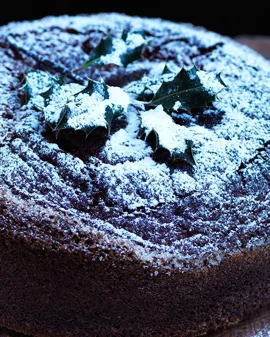
When you want to make a lasting impression, few bakes rise to the occasion quite like this panettone. Its towering dome and delicate aroma make it instantly eye-catching, and its subtle elegance means it needs no elaborate decorations or garnishes. And the taste? Well, that speaks for itself.

It is perfect for sharing with friends and family, whether served as a festive dessert, given as a thoughtful gift, or enjoyed with a cup of coffee on a winter morning. However you choose to present it, panettone has a way of making any celebration feel that little bit more special. Keep the celebrations sweet with a spiced Christmas cake and homemade cinnamon biscuits.

Make it your own

While the classic panettone is a treat in itself, it also leaves plenty of room for creativity. You can swap the raisins and candied orange peel for other dried fruits such as cranberries, apricots, cherries, or figs. Try candied lemon or lime zest instead of orange for a brighter note. To add a little crunch, replace the almond flakes with pistachios, pecans, or hazelnuts, or mix them into the dough for extra texture.

If you want to play with flavour, spices like cinnamon or nutmeg are a welcome addition, while a drizzle of melted chocolate over the top makes it extra indulgent. Just make sure to use roughly the same amount of add-ins so the bread keeps its shape, and chop up any larger fruits to spread them evenly throughout the dough.

You can also soak dried fruits before mixing them in to make them softer and juicier. With a few small tweaks, you can make this festive classic truly your own.

Where to buy

Lurpak® Unsalted Cultured Butter

Unsalted Cultured Butter

With Lurpak® by your side you’re always ready to cook, bake and fry up wonders, cook. With its delicate taste, Lurpak® Unsalted Butter enhances the flavour of whatever food you add it to. From a hearty risotto dish, your weekend baking creations, to some simple earthy mushrooms, its subtle notes complement every creation you rustle up in the kitchen. For people who love Good Food, Lurpak® makes it even better. Now sleeves up. Today we cook bold.

Where to buy