Oven-roasted vegetables with garlic and thyme Oven-roasted vegetables with garlic and thyme

Oven-roasted vegetables with garlic and thyme

  • 50 mins cooking time
  1. Home
  2. Recipes
  3. Oven-roasted vegetables
Bring out the best in everyday vegetables with a good measure of Lurpak. These oven-roasted vegetables are crisp, golden, and so hard to resist that they will leave you with a tray that always comes back empty. Making everyday vegetables taste extraordinary, like only you can.

Method

1
Preheat your oven to 200C/ 180C fan/ gas mark 6.
TIP
You can even pop the empty baking tray in while the oven heats to give the vegetables a head start with some sizzle. 
2
Spread the vegetables in a single layer on a large baking tray or roasting tin. If you have too many to fit on one tray, then split and arrange over two trays.
TIP
Turn oven-roasted vegetables into air fryer-roasted vegetables. To get a perfectly cooked batch, cut the vegetables into uniform pieces and give them a stir halfway through to achieve the perfect texture.
3
Melt butter in a saucepan and pour half of it over the vegetables. Put into the oven for 15 minutes.
4
Remove the vegetables from the oven and coat again with the rest of the melted butter.
5
Sprinkle over the thyme leaves, then return to the oven for a further 15 minutes or until golden and cooked through. Sprinkle with salt and pepper.


Questions about oven-roasted vegetables

Want to know how to get perfectly caramelised and roasted vegetables every time? You are in the right place. Find answers to the most common questions about oven-roasted vegetables.

  • The best temperature for roasting vegetables in the oven is around 200C, 180C fan, or gas mark 6. This gives the vegetables crisp, golden edges with a slight caramelisation, while the inside becomes tender. Soft vegetables like tomatoes will cook faster, while root vegetables such as sweet potatoes cook more slowly, so adjust the oven temperature accordingly or add certain vegetables later. For best results, spread the vegetables out in a single layer on a baking tray to allow the heat to circulate properly. This prevents them from steaming and helps create a delicious roasted texture.
  • The best vegetables for roasting are root vegetables like potatoes and carrots, cruciferous veggies like broccoli and cauliflower, and low-moisture vegetables such as onions and butternut squash. These vegetables hold up well to high heat, which helps them caramelise and become golden and crisp on the outside while turning soft and flavourful inside. Cut the vegetables into even-sized pieces, give them enough space on the tray, and coat them lightly in oil or melted butter. Roast them in the oven at around 200C, 180C fan, or gas mark 6.
  • Cut the vegetables into even-sized pieces so they roast evenly and cook at the same pace. This also prevents some pieces from burning while others are still underdone. Break cruciferous vegetables such as cauliflower and broccoli into large florets; not too small, or they will cook too fast and go dry. For vegetables like red onions, cut them into thick wedges so they soften and sweeten in the oven without falling apart. And if you are roasting whole garlic bulbs, just slice them in half across the middle. Root vegetables like carrots, parsnips, and sweet potatoes work well in chunky batons or 2–3cm cubes.
  • Oven-roasted vegetables are done when they have a deep golden-brown colour around the edges, which shows they have caramelised. The insides should be tender enough to pierce easily with a fork, but not mushy. Different vegetables roast at slightly different rates. Cruciferous vegetables like broccoli and cauliflower cook faster and crisp up sooner. Keep an eye on them during the last 10 minutes; they are likely ready when they are starting to look browned and a little crisp at the edges. Specifically, the butternut squash should be golden on one side, and the cauliflower, broccoli, and red onions should have browned or slightly charred tips. The garlic should be soft when pressed. If in doubt, taste one.
  • Your oven-roasted vegetables are most likely soggy because they have been too crowded on the tray or cooked at too low a temperature. When vegetables are packed too tightly, they trap steam instead of allowing it to escape, so instead of roasting, they end up steaming in their own moisture. To fix it, make sure you spread the vegetables out in a single layer with a bit of breathing room between each piece. If your tray feels crowded, split the batch across two trays. Roast at a high temperature, around 200C, 180C fan, or gas mark 6, so the moisture evaporates quickly and the vegetables can caramelise properly. Also, keep the oil or butter to a minimum, use just enough to coat and skip the parchment paper if you are after extra crisp edges. A hot, bare tray gives better browning and helps keep things from going soggy.
  • Yes, you can use frozen vegetables instead of fresh in your oven-roasted vegetables recipe. Keep in mind that frozen vegetables are usually softer and contain more moisture, which might affect how crispy they become. For best results, roast them straight from the freezer, spread them out in a single layer so that they cook evenly, and possibly raise the oven temperature to reduce moisture. Check if they are done after 15–20 minutes. Before roasting, toss the vegetables in melted butter and thyme to distribute the flavour evenly. Although the texture might be softer, the vegetables will still be tasty.
Lurpak recipes
Explore our recipes

ENTER THE WORLD OF GOOD FOOD

Get cooking

Enjoy tender and crisp oven-roasted vegetables

From simple to glorious, these oven-roasted vegetables prove just how amazing vegetables can taste. This recipe combines cauliflower, broccoli, red onions, and butternut squash, and even if some of them are not usually your first pick, roasting them might just change your mind.

It requires very minimal prep on your end; you just toss everything on a tray and let the oven get to work. The high oven heat draws out their natural sweetness, giving you perfectly tender veggies with caramelised, crisp edges that steaming or boiling could never achieve.

A generous drizzle of melted butter and sprigs of fresh thyme

Good food deserves Lurpak®, and these vegetables are no exception. The melted butter caramelises the vegetables while deepening their natural flavours, bringing out the sweetness of the onions and butternut squash and enhancing the nutty notes of cauliflower. It seeps into the crevices, coating the florets and chunks of squash and onion in a glossy, buttery glaze that makes it so hard to resist a quick taste.

A few sprigs of thyme add a lovely, earthy aroma that cuts through the richness and makes everything taste a bit more refined. Thanks to the garlic, the flavour becomes even more pronounced. It is roasted alongside the vegetables, turning soft and wonderfully mellow. Instead of the usual punchy sharpness, roasted garlic becomes sweet and buttery. You can actually squeeze the cloves straight onto your plate or mix them into the vegetables; that is how soft and irresistible they get.

Tasty options to serve with your roast vegetables

It is surprisingly easy to find a dish that goes well with a tray of oven-roasted vegetables. No matter the season, they always seem to make their way to the dinner table.

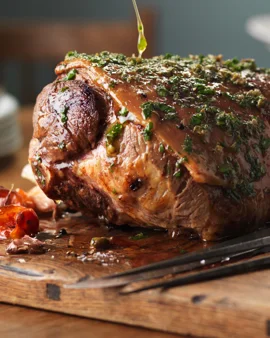
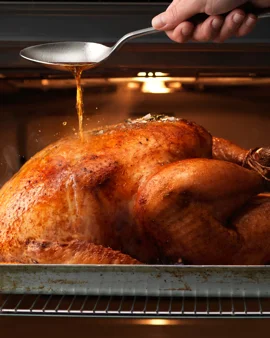
Try them with a lemon and sage roast turkey. The fresh citrus and sage work so well with the buttery vegetables. Roasted pork is another great option, especially with the sweet butternut squash and red onions in the mix. Roast leg of lamb also works beautifully, picking up the earthy notes from the thyme and garlic. Otherwise, you can go with a classic grilled chicken, which lets the roasted vegetables really shine on their own.

And if you like switching things up, go for it. Toss in whatever is in season. Parsnips, carrots, courgettes, or even a handful of cherry tomatoes all make for great roasted veggies. However you make it, this side dish never disappoints and is guaranteed to exceed every expectation.

Add a personal touch

This recipe for roasted vegetables in the oven is pretty forgiving, so do not be afraid to play around with different flavours. If you do not have thyme or just feel like trying something new, herbs like rosemary, sage, oregano, basil, marjoram, or parsley are all a good fit.

Rosemary adds a bold, piney flavour that is especially great with squash or root vegetables. Sage gives things an earthy, slightly peppery twist, while oregano brings a more Mediterranean note. If you prefer something fresher, basil is lovely; just put it in near the end so it does not burn in the oven. Also, marjoram is on the sweeter side, and parsley offers a clean, bright finish once the vegetables come out of the oven.

You can always use what is left in the fridge. And if you are using dried herbs instead of fresh, just remember they are a bit stronger, so you will not need as much.

Lurpak® Soft Salted

Soft Salted

Let your cooking adventure begin. With a spoonful of Lurpak® Soft, straight from the fridge, creating good food has never been easier. Lurpak® Soft will help you unleash your creativity with less effort, whilst not compromising on results.

Discover more