Gulab jamun Gulab jamun

Gulab jamun

  • 20 mins preparation time
  • 1 hour cooking time
  1. Home
  2. Recipes
  3. Gulab jamun

These syrup-soaked gulab jamuns are set to exceed every expectation. The dough is fried and turns golden, then soaks up a fragrant cardamom syrup until every bite runs sweet. A scattering of pistachios on top elevates your jamuns, adding a nutty crunch. This beloved Indian treat is ideal for special celebrations. Fair warning, one is never enough.

These syrup-soaked gulab jamuns are set to exceed every expectation. The dough is fried and turns golden, then soaks up a fragrant cardamom syrup until every bite runs sweet. A scattering of pistachios on top elevates your jamuns, adding a nutty crunch. This beloved Indian treat is ideal for special celebrations. Fair warning, one is never enough.

Method

For the dough
1

Mix milk powder, flour, and baking powder in a bowl.

2

In another bowl, whisk melted butter, egg, and heavy cream.

3

Pour the wet ingredients into the dry ingredients and use a spoon to bring them together into a dough.

4

Lightly knead the dough for 1–2 minutes to make sure there are no lumps. Refrigerate for 20 minutes.

TIP

Knead the dough with the heel of your hand rather than your fingers. This works out lumps more evenly without overworking the dough, which can make the jamuns dense once fried.

5

Knead the dough again when it is cooled to make sure it is smooth. Once it is smooth and binds together properly, stop kneading. If it feels too dry, add a tablespoon of milk and knead it in.

6

Divide the dough into small balls (jamuns) about 20g each. Apply light pressure between your palms while circling one palm, and lightly roll to form perfect balls. Make sure there are no large cracks on them. Put back in the fridge.

TIP

Keep a small bowl of milk or water nearby to lightly wet your palms as you roll. It prevents the dough from sticking and cracking, helping the jamuns hold their shape once they hit the hot oil.

For the syrup
1

In a saucepan, mix sugar, water, and cardamom and bring to a boil.

TIP

If you are using saffron, crush the strands with a small pinch of sugar using a mortar and pestle, then bloom them in a tablespoon of warm water or syrup for 5–10 minutes. The sugar acts like an abrasive, helping break the strands down and release more colour and flavour than steeping them whole. Add rose water only once the syrup is off the heat, since its fragrance fades quickly with prolonged heat.

2

Simmer until the sugar dissolves, then turn off the heat and cover. If you want to include saffron and/or rose water, add it after you turn off the heat.

Frying and serving
1

Heat 5cm of oil in a wok on medium heat.

2

Once the oil is warm (but not too hot, test with a small piece of dough – it should rise to the surface slowly), gently transfer half of the balls into it.

TIP

Fry only as many jamuns as fit in a single layer without crowding the wok. It keeps the oil temperature steady, so every jamun browns evenly.

3

Swirl your wok so the jamuns start to float and turn, and use a large strainer to gently swirl them as you fry them. Fry for about 4 minutes, until evenly browned.

4

Transfer the gulab jamun to the saucepan with the hot syrup. Swirl them around to make sure they are well coated on all sides. Then cover and rest for at least 30 minutes to allow the gulab jamun to soak up the syrup.

5

Transfer to a serving platter, add pistachios on top and serve!

FAQ: Questions about gulab jamun

Even with a straightforward gulab jamun recipe, a few things can go wrong along the way. The dough can turn out too dry or too sticky, and the jamuns can burst in the oil. Luckily, you will find answers to some of the most frequently asked questions here, so you know what to do if something does not go to plan.

  • Gulab jamun is a popular Indian sweet made of fried dough balls soaked in sugar syrup. The dough turns golden and slightly porous, then soaks up the syrup. The syrup is usually flavoured with cardamom, and sometimes rose water or saffron too, giving the dough balls a fragrant sweetness all the way through

  • If your gulab jamun dough is dry and crumbly, gradually add a bit of milk. Start with 1 tablespoon of milk and knead the dough for 30–60 seconds. If it is still crumbly, add another ½–1 tablespoon of milk or heavy cream, and knead briefly. Continue this until the dough is smooth and soft but not sticky. Be careful not to over-knead, as this can make the jamuns dense. The dough should be smooth, pliable, and hold together without breaking.

  • If the gulab jamun dough is soft and sticky, chill it in the refrigerator for 20–30 minutes. This helps the milk powder and flour absorb any extra moisture, firming up the dough. After chilling, briefly knead the dough for 30–60 seconds until it is smooth. If it is still sticky, add small amounts of all-purpose flour, about ½–1 teaspoon at a time, kneading gently after each addition until the dough is soft and pliable.

  • Each gulab jamun should weigh about 20 grams and be shaped into small, smooth balls about 3 centimetres in diameter. This size helps them fry evenly and absorb syrup well, ensuring they turn out soft and juicy.

  • There are typically four reasons why gulab jamuns burst open in the oil. First, the dough might be too dry, which can cause it to crack and expand during frying. Make sure the dough is soft and well-bound by adding milk if necessary. Second, the dough might be too wet, in which case, gradually add flour until it holds its shape. Third, too much or improperly measured baking powder can cause the batter to burst, so measure it carefully. Fourth, the oil might be too hot, cooking the outside too quickly and creating pressure that splits the jamun. Fry at medium heat instead. The dough should rise slowly in the oil and take about 4 minutes to brown.

  • Yes, you can bake gulab jamuns as an alternative to deep-frying, though they will have a different texture and colour. Baked gulab jamuns have a more cake-like exterior and are less chewy than fried ones. To bake, preheat your oven to 170–180 °C and line a baking tray with baking paper. Lightly grease the paper or brush each jamun ball with a bit of neutral oil to help them brown. Bake for 15–20 minutes until they are a light to medium golden colour and have a firm yet springy texture. Let the jamuns cool slightly before soaking them in warm syrup to keep them moist and soft.

Lurpak recipes
Explore our recipes

ENTER THE WORLD OF GOOD FOOD

Get cooking

From simple to glorious with lightly fried gulab jamuns

Gulab jamun asks very little of you. A soft dough, a fragrant syrup, and a wok of hot oil. That is all. But drop those dough balls into oil, and see them turn into golden treats. Frying sets the outside into a thin, slightly porous crust, while the inside stays soft and full of tiny air pockets, ready to soak up syrup. Bite into a warm gulab jamun, and the crust barely resists. Sweet, cardamom-scented syrup spills out first, followed by the tender centre, so soft it melts on your tongue. So simple, so glorious, so gone in one bite.

Tender dough with a delicate crumb and a little butter

A gulab jamun is only as good as the dough it started with. Milk powder adds a milky sweetness, while flour and baking powder hold everything together just enough to rise and turn airy in the oil. With a little Lurpak® butter worked into the mix, the crumb turns tender rather than dense, so the inside stays soft and slightly spongy instead of chewy or tough. Knead the dough a little too much, and you lose that lightness. Knead it too little, and it falls apart in the syrup. Get it right, and every jamun ball opens up into a soft, delicate crumb the moment it is soaked.

Soaked in a fragrant cardamom sugar syrup

This is the fun part, where the fried dough balls get to absorb their sweet flavour. The syrup itself stays thin and light, no thicker than a runny honey, so it can seep into the jamuns. The cardamom pods are simmered gently, adding a warm, slightly citrusy note.

Once the fried balls go in, they fully absorb the fragrant syrup, and the inside becomes incredibly juicy and dense with sweetness. It is tempting to fish one out before the time is up, but leave them to soak fully. Crown the fried gulab jamun with grated pistachios, adding a nice crunch and a nutty finish.

If you like sweet treats, you might also like these hot cross buns or our lemon drizzle cake.

Enjoy a beloved sweet from the Indian subcontinent

Enjoy one of India's most beloved sweets. They have been winning people over for a long time and show no sign of slowing down. Sweet shops across India each have their own take on it, some finished with rose-scented syrup, others leaning more toward cardamom, or a scattering of pistachios and saffron on top.

The name hints at its origin, too. "Gulab" comes from the Persian words for rose and water, a nod to that rose-scented syrup often used in traditional versions, while "jamun" refers to a dark, round Indian fruit the fried balls resemble. Soft and syrup-soaked, gulab jamun is a dessert people return to again and again. Thanks to this recipe, you get to savour it at home.

A festive treat for celebrations

Gulab jamun shows up wherever there is something to celebrate. Be it weddings, festivals, or family gatherings, it always finds a place on the table. Diwali, the festival of lights, is a particularly good example. No Diwali table feels complete without a plate of sweets, and you will usually find the syrup-soak balls among them, served to family and friends as homes light up with diyas and fireworks outside.

It is often passed around after a Diwali meal or offered to guests as a warm welcome, sometimes alongside other festive sweets like barfi or ladoo. A warm gulab jamun pairs particularly well with a cup of chai.

Put your own mark on the gulab jamuns

Make no mistake, this recipe already works well just as it is, but there is still room to put your own mark on it.

If you want to experiment with the syrup, try steeping a strip of orange zest alongside the cardamom pods for a citrusy note, or add a splash of orange blossom water for a sweeter, more citrus-blossom aroma. A cinnamon stick added to the syrup while it simmers gives it a warmer, spiced finish.

When it comes to the topping, swap the pistachios for slivered almonds for a milder crunch, or for toasted cashews for a slightly sweeter, buttery taste. A dusting of edible dried rose petals also works if you want more colour without adding extra nuts.

The dough has room to play, too. Traditional gulab jamun is usually made with khoya, milk slowly reduced down into a solid, rather than milk powder. It gives a denser, slightly richer bite if you want to try it. A pinch of semolina, worked into the dough, is another traditional trick that adds a bit more chew to the crumb.

Lurpak® Butter Unsalted

Butter Unsalted
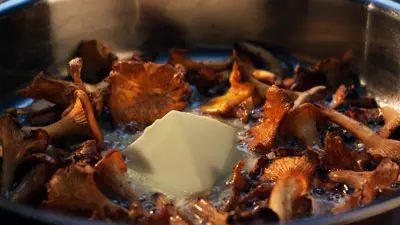
With Lurpak® by your side you’re always ready to cook, bake and fry up wonders, cook. With its delicate taste, Lurpak® Butter Unsalted enhances the flavour of whatever food you add it to. From a hearty risotto dish, your weekend baking creations, to some simple earthy mushrooms, its subtle notes complement every creation you rustle up in the kitchen. For people who love Good Food, Lurpak® makes it even better. Now sleeves up. Today we cook bold.
Discover more